Demurrage and detention charges are almost always avoidable. The difference is knowing where a container is a day earlier, not a day later.
Demurrage and detention are the charges nobody budgets for and everybody pays. A container that sits a few days too long at the port, or a chassis returned late, and suddenly a clean shipment has a four-figure line item attached to it. The frustrating part is that these charges are almost always avoidable — the difference is knowing where a container is a day earlier, not a day later.
The clock you can't see is the one that costs you
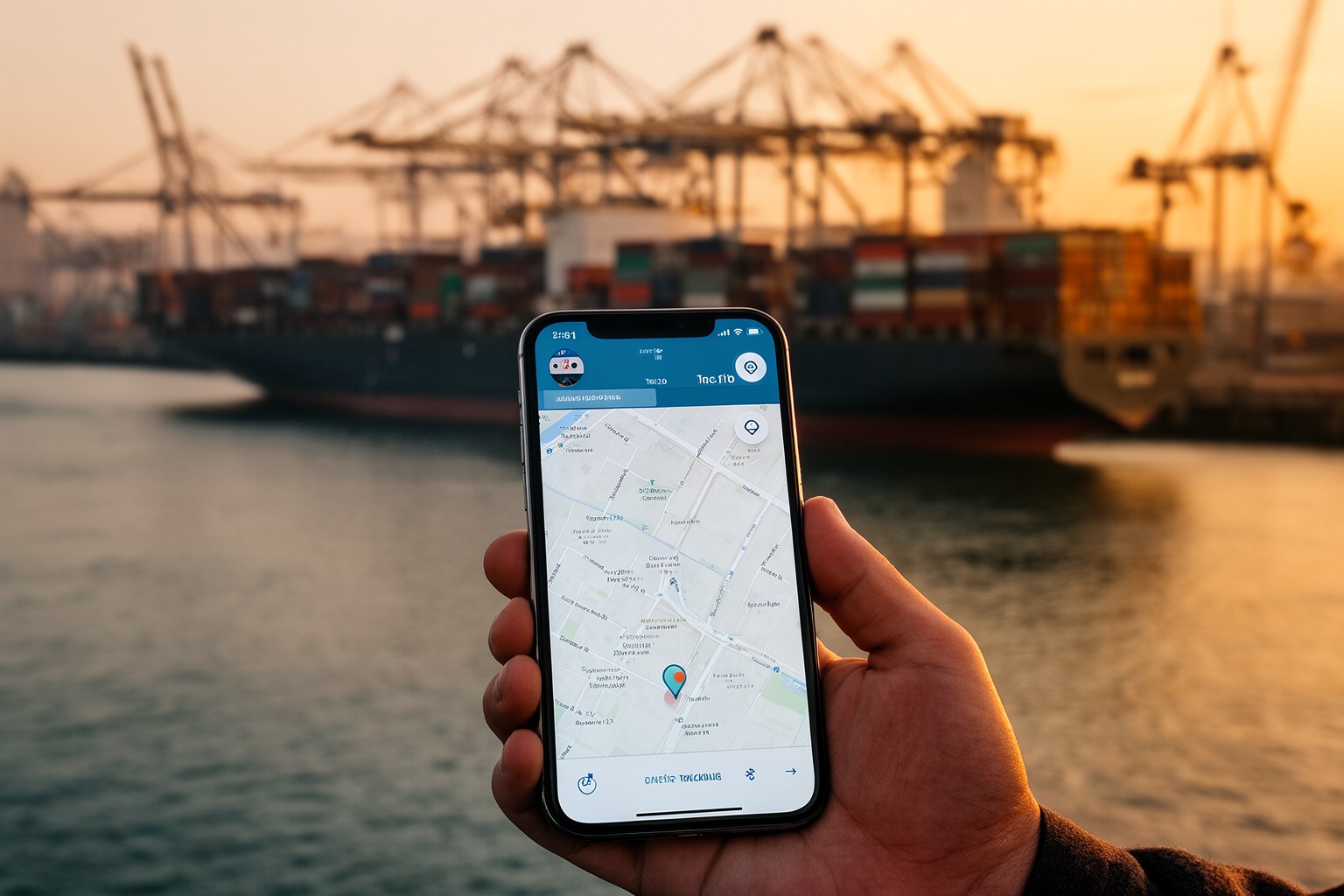
Demurrage starts when free time at the terminal runs out, and free time is short — often just a handful of days after discharge. If the first you hear of an arrival is a carrier invoice, the clock has already been running. Real-time tracking flips that: the shipment tells you it has arrived, how much free time is left, and when it is about to expire, while there's still time to act.
Transshipment is where estimates go wrong
The trickiest routes are the ones that change vessels midway. A container discharged at a transshipment hub can look “arrived” to a naive tracker while it's still an ocean away from its real destination. Reliable tracking reads carrier status codes rather than guessing from a single position, so a discharge in Singapore isn't mistaken for a delivery in Rotterdam — and the free-time clock is anchored on the right event.
Turning a bill into a checklist
Once arrival, discharge and last-free-day are visible per container, avoiding demurrage becomes an operational checklist rather than a scramble: book the haulage before free time expires, chase the missing document while there's still slack, return the empty on time. The charge that used to feel like bad luck turns into a deadline you can see coming — and beat.