From instant quoting to exception handling, here's where automation already earns its keep — and where a human still has to make the call.
For an industry that still runs on email threads and spreadsheets, freight forwarding has turned out to be a surprisingly good fit for automation. Not the science-fiction kind that replaces the desk, but the quiet kind that removes the twentieth copy-paste of the day. Here are five places where it already earns its keep — and one where a human still has to make the call.
1. Quoting in seconds, not hours
The classic forwarding bottleneck is the quote: a client asks for a price, someone opens three carrier portals and an inbox, and an answer comes back the next morning. When rates, schedules and surcharges live in one searchable place, that same answer is a live search away. The margin logic that used to sit in a senior forwarder's head becomes a rule the system applies every time, consistently, at 2am if it has to.
2. Reading documents so people don't have to
A booking confirmation, a bill of lading and a commercial invoice all carry the same handful of facts in different layouts. Modern models extract container numbers, ports, weights and incoterms from a PDF or an email body reliably enough that a person only has to confirm, not transcribe. That one change removes a whole category of quiet, expensive typos.
3. Exception handling before it becomes a fire
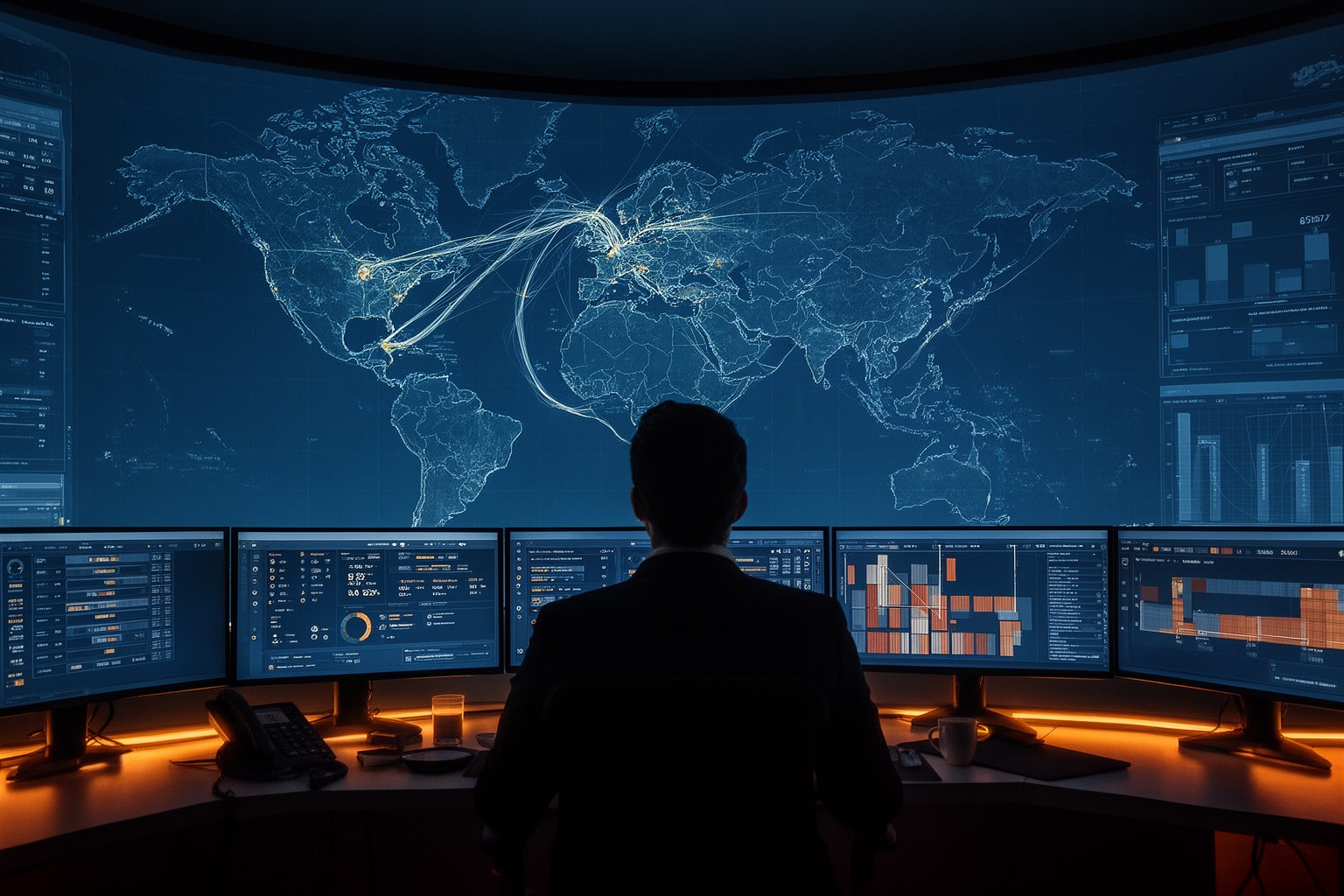
Most shipments are boring, and that's the point — the value is in catching the few that aren't. A rolled sailing, a container sitting too long at a transshipment port, a document that never arrived: these are patterns a system can watch for around the clock and surface the moment they appear, instead of a client discovering them at the destination.
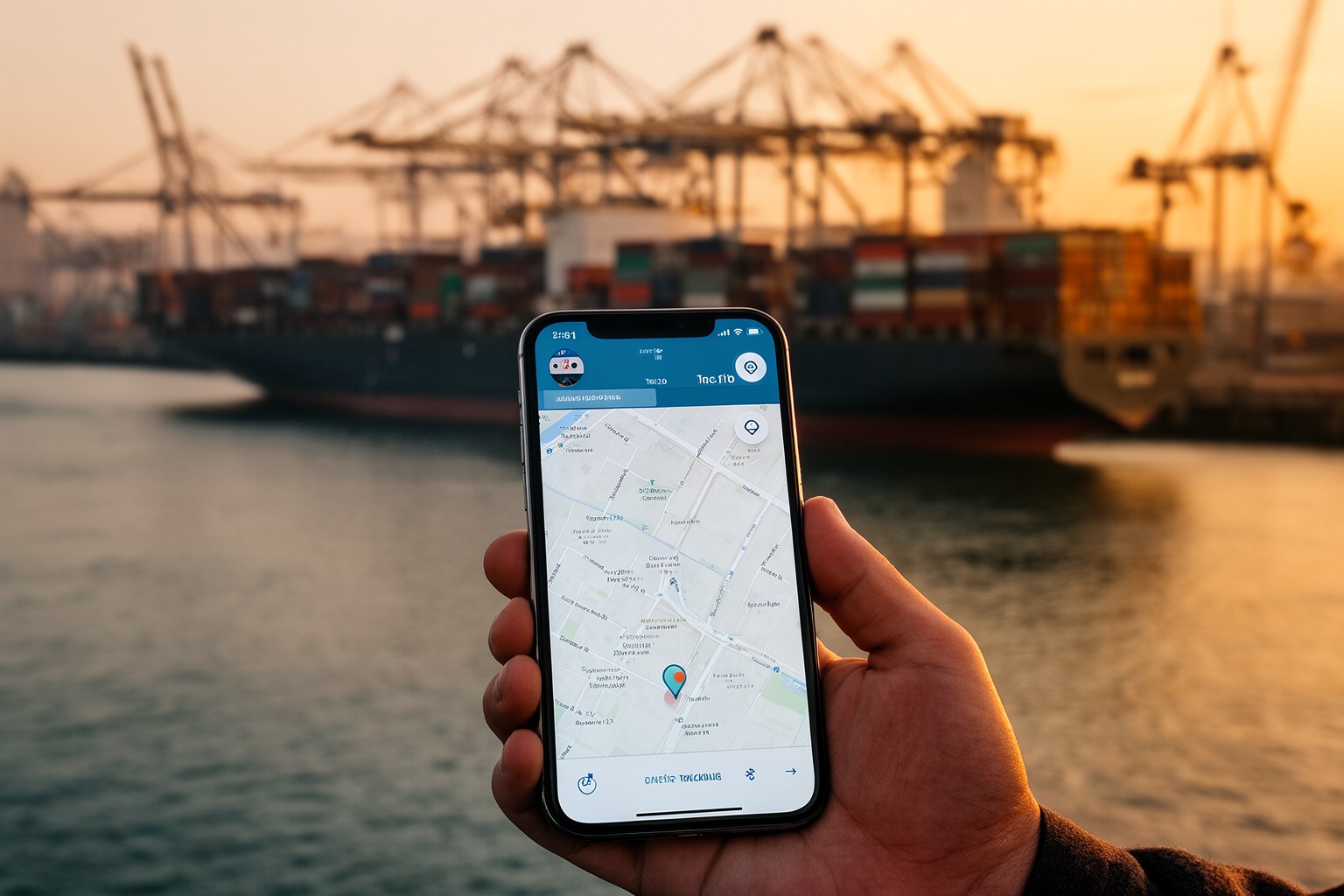
4. Answering “where is my container?” instantly
The single most common message any forwarder receives is a status request. When live tracking data and shipment context sit behind a plain-language assistant, the client gets an accurate answer in seconds and the desk gets its afternoon back. The same interface can draft the next email, pull the right rate, or summarize a shipment's history on request.
5. Turning history into pricing intuition
Every quote, booking and invoice a forwarder produces is training data for better decisions: which lanes actually convert, where margins hold, which carriers deliver on their transit promises. Surfacing that back to the person doing the quoting turns years of scattered experience into something the whole team can lean on.
Where the human still decides
None of this removes judgment. A tight transshipment window on a high-value shipment, a claim, a client relationship worth bending a rule for — those are still calls a person makes, and should. The right goal isn't an autonomous forwarder; it's a forwarder who spends their day on the twenty decisions that matter instead of the two hundred that don't.